When it comes to home ownership, it isn't just about repair and maintenance - if the sprinklers break or the dishwasher starts smoking, they definitely need to be fixed, but the buck doesn't stop there. When it comes to home ownership, it is also about decorating.
One of the integral, if not the most integral, parts of decorating is matching colors. You don't want colors clashing or offsetting each other. Not only does this apply to things like furniture, carpet, and wall colors, but is also applies to window shades.
Cellular blinds, blinds that are made using unique honeycomb shaped cells, are a type of blinds known for their insulating abilities. This insulation helps home owners reduce heating and cooling costs by keeping unwanted air out. Cellular blinds are also known for their variety of colors. When it is time for you to play "matchmaker" to all of your decor, this comes in extremely handy.
But, where do you begin? With so many varieties of colors offered through cell shades, how do you know what one is right for you? The answer is simple: get samples.
Cellular shades are a popular online item. There are many discount blind stores that offer them at a more affordable price than chain stores. Buying cellular shades online reinforces the need to get samples. The sites that sell these cell shades, should be able to provide free samples.
To save yourself time and frustration, it is a good idea to get several different samples of cell shades before deciding. Not only may you want to get completely different colors - such as a sample of blue cellular shades and a sample of red cellular shades - but you may also want to get different hues of the same color (such as a light green sample and a teal green sample). One of the things to remember when buying online is that colors might not look the same in reality: computer screens can alter color tones.
Another thing to keep in mind when getting samples for cellular blinds is any alternations you will be making in the future. This is particularly applicable to wall colors. If you are going to be drastically changing your wall color, consider this when asking for cellular blinds.
Cell shades are a great addition to any window of your house. But, before you purchase make sure you know what you are getting. Get samples and make sure the color matches as well as you think.
Showing posts with label honeycomb blinds. Show all posts
Showing posts with label honeycomb blinds. Show all posts
Tuesday, March 1, 2011

Monday, December 6, 2010
The Top Brands for Honeycomb Blinds
Honeycomb blinds, sometimes called cellular blinds, are quickly become a favorite among homeowners and designers. These types of blinds are easily installed, highly adaptable and very affordable. Honeycomb blinds also come in a variety of colors and fabrics. The advantages of honeycomb blinds don’t stop there; cellular blinds are also known for the unparalleled ability to help insulate windows.
There are many brands of honeycomb blinds available on the market today. Some offer similar features while others have unique fabrics and designs. Listed below are some of the top honeycomb blinds brands.
Bali Blinds
Bali blinds are an ideal option for anyone who is hoping to make their houses and homes more efficient and healthy. Bali blinds are known for their ability to block heat loss in the winter and heat gain in the summer. They help keep regulate the temperature in your home without needing to crank up the furnace or air conditioner. This is a simple way to decrease the amount you spend on monthly costs and can save you a great deal of money over time. Bali blinds are also a great option for anyone concerned with conserving the environment. In addition to saving energy, Bali blinds are made in facilities with a commitment to reducing and recycling waste.
Bali blinds are further known for their easy installation, which makes them a good choice for those who engage in a lot of redecorating or do it yourself home improvement.
Levolor Cellular Shades: Like Bali shades, Levolor cellular shades are a good option for their insulating properties. Their superior insulating properties are due to the unique cell structure of Levolor cellular shades.
Levolor cellular shades are also well known for their innovation in design and window fashions. Levolor was founded nearly a century ago and has built a reputation for customer service, great window treatments and custom blinds. They are also lauded for aesthetic beauty and appeal. Levolor has made a name for themselves through versatility. They offer over two hundred colors, providing the consumer with an ideal way to furnish their home exactly how they want.
Tips on Picking Colors for Honeycomb Blinds
Honeycomb blinds are quickly taking the window treatments world by storm for several reasons. Cellular blinds are visually appealing, affordable and can save money. Honeycomb shades are well known for their ability to better insulate your home; saving you money in the cost of heating and cooling bills.
With all of this, you might find that your decision to buy honeycomb blinds is already made. However, when it comes to window treatments, color is an essential decision. The color of your honeycomb shades is going to come down to personal preference. Some people love certain colors, others simply loathe them. Here are a few tips to point you in the right direction:
Consider the Light
Honeycomb blinds come in a variety of colors. These include soft colors, bold colors, bright colors, and dark colors. Certainly the colors in the room will play a major factor in your color choice. A room decorated in dark red, for instance, might not mesh with bright blue blinds. Matching colors is not the only factor to consider. The amount of light you want shining into your room will also play a large role in deciding on the color of your new honeycomb blinds. Darker colors, for instance, will keep more light out than lighter colors.
Think Ahead
Another factor to consider when deciding the color of honeycomb shades is the future of your room. Since these types of shades are very durable, your new blinds may outlast the paint scheme of the room. If you are planning on redecorating a room or you tend to change things around with frequency you may want to purchase blinds that will go with virtually any decor. Tan and off white colors are much more versatile than bright yellow. Keep this in mind if you can see yourself repainting or redocorating the room in the next 5-10 years.
Be True to Self Expression
Ultimately, window treatments are about you and your self expression. Color is a huge part of this self expression. While you should consider logistics such as how much light you want shining in and how well colors will match, you really should buy window blinds that you truly like. If you can’t stand pastel colors, don’t get blind in those colors. If you think that the dark teal looks nice but just isn’t you, find something that is. Your house is a blank canvas, paint it with the colors that you love.
Tuesday, May 4, 2010
Measure and Mount Honeycomb Shades

Cellular or Honeycomb shades are named after the way they look. They have a honeycomb structure when seen open from the side that traps air to insulate the home. Cellular look like pleated shades, but these air pockets insulate, and therefore cellular blinds come in more custom shapes, and can cost more than other window coverings.
Before measuring a custom cellular blind, it is important to keep these tips in mind. Only use a metal tape measure, as a yard stick or cloth tape measure is not as consistent and versatile. Then determine if the cellular blinds are to be mounted inside or outside the window frame. Check your color, brand and number of your blind to make sure it matches your room interior. Review the samples and compare to the catalog. Then determine the location of the lift cord. Once you have written down all the dimensions and placed an order, the custom blind cannot be changed.
If your windows have more than an inch of space inside the frame, an inside mount is recommended. Cellular blinds mounted on the inside will take up less space and are less likely to be accidently knocked off. For a smaller half inch honeycomb shades around 1 ½” of frame space is needed. Larger shades require over two inches for a flush mount. Anything less and the shades will protrude beyond the frame.
Measure the width with a steel measuring tape in more than one place. The size of your blind will be the smallest measurement rounded down an eighth inch. The custom blind factory will automatically deduct clearance to make sure the blinds fit. For height, measure twice and supply the longer number.
An outside mount should be used when there is less than an inch of clearance on the frame. Measure the dimensions of the molding, as this is where the brackets will be mounted. Add four inches to frames without molding. This will allow two inches of overlap to make sure your cellular blinds provide privacy and light control. The height of your cellular shade will be the distance from the top of the molding to the sill. Windows without molding will need about 2 inches to fit.
Vertical cell blinds are easier. The top width is the critical measurement since this cannot change once the custom cellular blind is made. For the height, measure thrice and use the shortest dimension.
Cell sizes are important because it effects window depth. A cellular shade is a little bulkier than a wood blind. Some smaller sized blinds come in triple cells for maximum insulation. Sizes over an inch look cleaner but come in only single cell designs. Large pleats look like large slats on traditional blinds.
Monday, April 26, 2010
Cellular Shades everywhere in the home

Consider your skylights. That is a window. Windows are inefficient in controlling heat. Skylight shades come in cellular and honeycomb designs that will keep out the light and more than half the heat transfer through your windows. Double cell insulating fabric and automatic operation is what you get in top tier cellular skylight blinds. Motorized shades make push-button blind opening a reality.
For French Doors and other full length windows, you can get heat-saving honeycomb blinds that roll up from both the top and bottom to maximize both privacy and view.
Blackout cellular shades can completely shut out the light with snug fitting side tracks. These blinds will give you a good night's sleep. From lower energy bills. The side slide tracks seal the top and side of the blinds.
A new invention to try and make your cellular shades look a little better is Roman/Cellular fusion blinds. One side is a energy efficient honeycomb design and the other side looks like a Roman blinds. So any window can be made efficient with a blind, and still look good.
Most cellular window blinds are cordless to keep pets and children from getting tangled. And custom blinds can be manufactured for arched windows, solariums, or anything else. Modern honeycomb shades are dust repellent, flame retardant, and made of some of the most insulating cloth materials available. The upper range for insulation among blinds is around 4.6 R. Thin gauge fabric means it rolls up in a small space. The thinnest fabrics are translucent, while thicker ones block out light. Double thickness honeycomb blinds offer more insulation but take up more space.
Wednesday, April 21, 2010
Reducing Heat Loss with Cellular Blinds
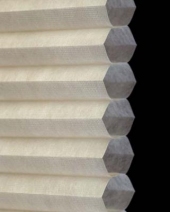
It has been pounded into your head time after time: the cheapest way to reduce heating and cooling bills is to stop heat transfer through your windows. There are several steps you can take to increase the energy efficiency of your windows. Blinds and blind coverings are an easy way to start, and are usually cheaper than buying new windows.
One step you can take is fitted window coverings. Remember, air insulates just as well as high tech materials. Energy saving window coverings and cellular blinds create a insulating layer of dead air. Without the coverings you can get a draft around your high tech cellular shades.
The Energy Star sticker is a good way to determine if your windows are energy efficient. Window blinds can be just as effective, however window coverings are not eligible for the Energy Star program. Cellular and other window blinds are measured on the R-system of insulating value. The average curtain or blind has only a value of R-1. Honeycomb or cellular blinds with an insulating lining can have a value as large as R-6. Cutting thick foam around the window frame also increases R-value, but eventually this will come in conflict with your honeycomb insulating blinds.
Awnings and overhangs also increase energy savings by keeping sun rays from striking the window directly.
Color is also important when it comes to insulating window blinds. Light colors reflect and keep sunlight out of the home. Always remember, increasing the layers of insulation between the home and the outside is the key to energy savings through efficient window coverings. Minimize gaps between cellular shades and the wall, and maximize the number of layers and liners to keep airflow out. Cellular honeycomb window blinds do not regulate sunlight like venetian blinds, but they offer considerable advantages. Cellular blinds have a double or triple layer of material that folds up, but creates little air honeycomb pockets when extended. These air pockets are lightweight and make the honeycomb blind much more insulating by weight than any solid material. It is like adding an extra layer of double pane windows in terms of savings.
Conventional blinds do not block heat loss more than 10% so remember to use special energy efficient blinds like honeycomb blinds when trying to reduce your electric bill. The closed weave design prevents any airflow. White will reflect the most light. Medium colored cellular blinds let in a warm colored sunlight while still reflecting some heat. You could even get a black cellular window blind treatment for the winter to absorb sun rays for heat. A conventional blind can attempt to compete with custom cellular blinds by reducing all gaps for airflow.
It is important to take into consideration not only the window and window treatments by themselves, but also where they are in the house, and how much sunlight they receive. West facing windows will receive the hottest light so it might be a good idea to use high performance cellular blinds to block out the light. South facing windows provide good natural light without too much glare. Some sort of energy saving window blind that still regulates light is useful here. Remember, you can mix and match honeycomb blinds with drapes and reflective glass and blind coverings.
Subscribe to:
Posts (Atom)